Transformative Psych Services
- thriving with Gastroparesis
Transform your experience of chronic illness - reduce mind/body stress & live more fully despite symptoms.
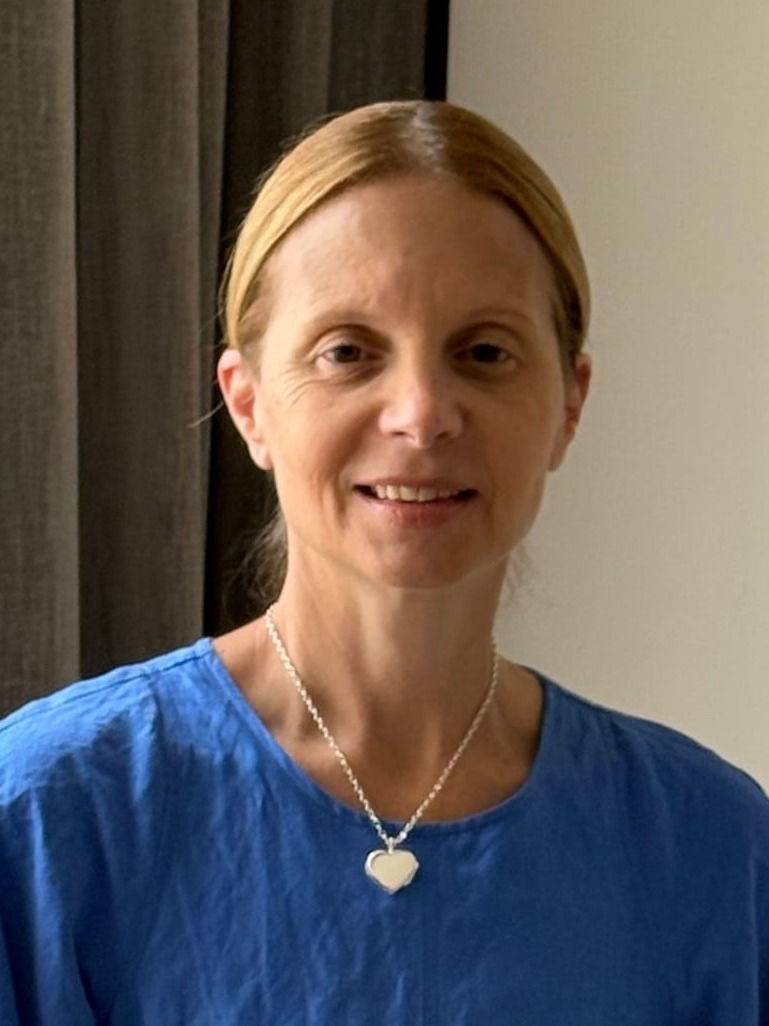
About

I was diagnosed with Gastroparesis in 2010. For 9 years I thought the key to improving symptoms and my quality of life was to focus on developing a daily symptom management list and ensure each day I meticulously crossed everything off the list. Subsequently my mind was incredibly busy. I was so consumed by my thinking, that I believed it all to be true. I had created a lot of shoulds, “I should feel this way”, “I should be doing this”.
Until I discovered the inside out way of thinking. I came to realise that our thoughts create our sense of reality and thus our experiences. When my mind calmed, so did my body. I learned that I didn’t need to be 100% healthy to be ok. As a result, my mind is quieter and calmer, and I feel as though I am now living rather than existing. This isn’t to say my symptoms have resolved, but they are certainly more manageable and less impacting with this understanding.
As well, I am a Psychologist with more than 25 years experience in the field of mental health. This knowledge coupled with the awareness that ultimately, I will be ok has completely transformed my experience with Gastroparesis and provides me with a unique ability to understand what others are going through. As well, I have done a mentorship with Crystal Saltrelli and am currently engaging in coaching. Above all, I am passionate about trying to help others with their health journey.
Research shows that gastroparesis and other chronic illnesses often come with anxiety, depression, fear and loss of control, frustration, irritability, anger, social isolation, shame and guilt, identity changes, cognitive and emotional exhaustion and quality of life challenges.
Psychological work doesn't cure GP or any other chronic illness, but it can profoundly change how the illness is experienced, often reducing suffering even when symptoms remain. Specifically, it changes the fear symptom loop, separates sensations from catastrophic meaning, restores a sense of control, reduces avoidance, improves emotional processing, supports nervous system regulation, improves quality of life and increases our awareness of the role our thinking plays in creating our experience. Receiving this mental health support from someone who is experiencing it first-hand, is particularly beneficial.
Services

Individual Sessions
Learn how to reduce the mental stress of Gastroparesis or any other chronic illness, so you can feel calmer, more purposeful and less ruled by symptoms.
Learn More
Group Sessions
Reduce social isolation, feel validated and improve your level of emotional coping. As well, you will learn practical strategies, help to regulate your nervous system, feel more empowered and have a safe space to express your thoughts and feelings.
Learn More
TWGP Community
Immerse yourself in a supportive, empowering community that instils hope and focuses on 'what's working'. Too often we feel guilt and self-blame and unfortunately a lot of online communities promote communal misery and competitive suffering. On the TWGP space, the emphasis is on discovering possibilities and quietening our minds. Having a chronic health diagnosis does not mean we are broken, we are whole, resilient individuals who possess innate wisdom, and this community is about reawakening just that. Please join me on this journey.
Learn MoreFrequently Asked Questions
Learn MoreHosted by Crystal Saltrelli & Samantha Cook
follow us on Instagram & Facebook @ livingwellpod
Subscribe @ livingwellpod.substack.com Or listen on Apple Podcasts or Spotify.